


Ako premeniť parfumový olej na sprej doma: Pomery, kroky a plnenie do fliaš
Priemyselné správy-Zrátané a podčiarknuté: Čo v skutočnosti zahŕňa premena parfumového oleja na sprej
Vezmite 1 diel koncentrátu parfumového oleja a 4 diely parfumérskeho alkoholu podľa objemu, čo vám dáva približne 20 % Eau de Parfum. Zmes uzavrieme do čistej sklenenej fľaše, pretrepeme a necháme dozrieť 2 až 4 týždne pri izbovej teplote mimo priameho svetla. Po odležaní prelejte tekutinu cez kávový filter, aby ste odstránili usadeniny, a potom ju zlejte do sklenenej fľaštičky s parfumom vybavenej pumpičkou na jemnú hmlu. To je celý prevod v jednom odseku.
Jediná výhrada, ktorá všetko mení, je váš východiskový materiál. Koncentrovaný parfumový olej, niekedy označovaný ako parfumový olej alebo attar, sa čisto rozpúšťa v alkohole. Ale veľa parfumov na kolieskach predávaných fanúšikom nezávislých vôní už obsahuje nosný olej, ako je jojobový alebo frakcionovaný kokosový olej. Nosné oleje sa nerozpúšťajú v alkohole. Ak pretlačíte túto zmes cez pumpu na jemnú hmlu, dostanete zakalenú kvapalinu a trysku, ktorá sa upchá v priebehu niekoľkých dní. Pre tie oleje je poctivým riešením pumpička na pleťové mlieko alebo rozprašovač so širokým otvorom.
Druhou najčastejšou príčinou zlyhania je hrdlo fľaše, nie vzorec. Pumpa vytvorená pre závit 13-410 nebude tesniť na fľaši 18-410 a krimpovacia pumpa potrebuje zodpovedajúce krimpovacie hrdlo. Pred objednaním čohokoľvek zmerajte vnútorný priemer a závit vašej fľaše a zaobchádzajte s pumpou a fľašou ako s jednou zhodnou jednotkou.
Prečo vôbec premieňať parfumový olej na sprej? Skutočné kompromisy
Parfumový olej a sprejový parfum sú dva systémy dodávania pre tú istú kvapalinu. Olej sedí na koži, prechádza na krátku vzdialenosť a pomaly vyžaruje. Sprej rozprašuje vôňu na jemné kvapôčky, ktoré sa rýchlo zohrejú a rýchlejšie sa dostanú do vzduchu. Tento rozdiel vysvetľuje, prečo toľko ľudí, ktorí milujú indie oleje, uprednostňuje spreje: vôňa sa otvára okolo vás namiesto toho, aby zostala pripnutá na vašich zápästiach.
Praktické výhody premeny oleja na sprej sú jasné:
- Lepšia projekcia a siláž — atomizované kvapôčky sa dostanú do vzduchu a šíria sa oveľa ďalej ako mastný film.
- Aplikácia čističa — žiadne mastné zvyšky na golieroch, manžetách alebo rukách.
- Kontrolované dávkovanie — každé stlačenie 0,10 ml pumpy dodá predvídateľnú dávku, na rozdiel od potiahnutia guľôčky dvakrát alebo trikrát.
- Efektívnosť nákladov — koncentrát si riedite sami, takže z malého množstva oleja sa stane oveľa väčšia použiteľná fľaša.
Existujú aj čestné kompromisy. Alkohol mení otvorenie vône: citrusové a kvetinové vrchné tóny sa cítia jasnejšie, ale rovnaká koncentrácia v spreji sa môže zdať kratšia na holej pokožke. Dlhovekosť sa správa inak, pretože hmota spreja sa rýchlo zahrieva a vyparuje, zatiaľ čo kvapka oleja zostáva na mieste a neustále sa uvoľňuje z pokožky. A ak riedite olej, ktorý už obsahuje nosný olej, výsledný produkt nemusí byť nikdy číry a nebude sa správať ako klasická číra parfumová hmla.
Kontrolný zoznam prísad a vybavenia pre 50 ml dávku
Predtým, ako niečo zmeriate, zozbierajte všetko na tomto zozname. Najčastejším DIY zlyhaním nie je zlý olej – je to náhrada na poslednú chvíľu, ako je voda z vodovodu alebo opätovne použitý plastový pohár, a tieto malé možnosti sa jasne prejavia v hotovom spreji.
| Položka | Role | Detail, na ktorom záleží |
|---|---|---|
| Koncentrát parfumového oleja | Dodáva vôňu | Používajte čistý parfumový olej; Roll-on zmesi s nosným olejom zostanú zakalené |
| Parfumérsky alkohol (SD Alcohol 40-B) | Rozpúšťa olej a prenáša vôňu z pokožky | Obvyklou domácou náhradou je 190-proof obilný alkohol |
| Destilovaná voda (voliteľné) | Zjemňuje hmlu a zaobľuje pocit alkoholu | Udržujte 2–5 %, nikdy nie viac ako 10 % z celkovej dávky |
| Glycerín alebo dipropylénglykol (voliteľné) | Fixačný prostriedok, ktorý spomaľuje odparovanie | 1–2 % stačí; viac spôsobuje, že sprej je lepkavý |
| Sklenená kadička s označením | Presné meranie v ml | Plast nie je bezpečný s vysoko odolným alkoholom |
| Fľaša z jantárového skla s pevným uzáverom | Vzduchotesné starnutie bez vystavenia svetlu | Priestor nad 5 % obmedzuje oxidáciu |
| Filtračný papier alebo kávový filter | Odstraňuje nerozpustené častice | Použite po odležaní, pred naplnením poslednej fľaše |
| Rozprašovacia fľaša a pumpa | Konečná dodávka jemnej hmly | Zlaďte závit pumpy s hrdlom, napr. 12-410, 13-410, 15-410, 18-410, 20-410 |
Správne pomery: Od extraitu po telesnú hmlu
Pomer oleja a alkoholu rozhoduje o tom, či je vôňa bohatá alebo riedka. Prejdite nad približne 30 % a alkohol už nedokáže udržať olej úplne rozpustený, čo spôsobuje zákal, kryštály alebo upchatú trysku. Choďte pod 3 % a výsledok vonia ako alkohol s náznakom parfumu. Nižšie uvedené rozsahy sú štandardné parfumérske referencie pre sprejové formáty.
| Úroveň koncentrácie | Parfémový olej | Parfumérsky alkohol | Typický charakter |
|---|---|---|---|
| Extrait de Parfum | 20 – 30 % | 70 – 80 % | Bohaté, dlhotrvajúce; Stačia 1-2 streknutia |
| Eau de Parfum (EDP) | 15 – 20 % | 80 – 85 % | Vyvážené na každodenné nosenie; najčastejším cieľom |
| Toaletná voda (EDT) | 5 – 15 % | 85 – 95 % | Ľahšie, vhodné do teplého počasia a do kancelárie |
| Kolínska voda / telová hmla | 2 – 5 % | 95 – 98 % | Čerstvé, jemné; ľahko sa znovu nanáša počas dňa |
Praktický výpočet pre 50 ml EDP: 10 ml oleja 40 ml alkoholu . Ak pridáte 2 ml destilovanej vody, vaše celkové množstvo bude 10 ml oleja, 40 ml alkoholu a 2 ml vody – stále pohodlne v rámci stropu 10 % vody. Zvážte každú zložku lineárne: 20 ml oleja potrebuje 80 ml alkoholu atď.
Krok za krokom: Od oleja po sprej vo fľašiach
Táto sekvencia je napísaná pre 50 ml dávku s 20% parfumovým olejom. Pracujte vo vetranej miestnosti, mimo dosahu otvoreného ohňa, pretože vysoko odolný alkohol je horľavý.
- Dezinfikujte všetko. Vypláchnite kadičku, lievik, fľašu a ponornú trubicu s pumpičkou alkoholom a potom ich nechajte úplne vyschnúť. Akákoľvek voda, ktorá zostane, zmení konečný pomer a môže zakaliť sprej.
- Najprv odmerajte alkohol. Do sklenenej kadičky nalejte 40 ml parfumérskeho alkoholu. Odmeranie väčšieho objemu najskôr uľahčuje kontrolu menšieho pridávania oleja.
- Pomaly pridávajte olej. Do pipety natiahnite 10 ml parfumového oleja a za jemného miešania sklenenou tyčinkou pridajte po kvapkách. Rýchle nalievanie zachytáva vzduch a sťažuje rozpúšťanie oleja.
- Pridajte modifikátory, ak ich používate. Jeden až dva ml destilovanej vody zmäkčuje alkoholový výtlak. Tri až štyri kvapky glycerínu pôsobia ako fixátor. Znova premiešajte.
- Preneste do fľaše na starnutie. Nalejte zmes do jantárovej sklenenej fľaše a pevne ju uzavrite. Nechajte čo najmenej priestoru nad hlavou; kyslík je nepriateľom sviežej kvetinovej zmesi.
- Starnúť 2 až 4 týždne. Každé dva až tri dni jemne pretrepte, aby sa zhomogenizoval a skladujte pri stabilnej teplote 18–24 °C. Fľaša musí zostať po celý čas uzavretá.
- Pred plnením do fliaš prefiltrujte. Nechajte odležanú tekutinu preliať cez kávový filter alebo filtračný papier triedy 1 do konečnej sprejovej fľaše. Ak uvidíte kvapky oleja alebo zákal, prefiltrujte druhýkrát.
- Pripravte a otestujte. Pripojte čerpadlo a stlačte dvakrát alebo trikrát, kým sa neobjaví kvapalina. Potom raz nastriekajte do vzduchu, aby ste skontrolovali vzor hmly – mal by byť jemný a rovnomerný, nie prúd kvapiek.
Prečo je 48-hodinová skratka slabším sprejom
Etanol a olej sa úplne nezhomogenizujú za deň. Počas prvých 48 hodín alkohol zakryje vrchné tóny a zmes vonia ostro a nedokončene. Po dvoch týždňoch sa molekuly ustália vo vyváženom súlade; po štyroch týždňoch je rozdiel zrejmý aj bežnému nosu. Komerční parfuméri bežne macerujú štyri až šesť týždňov pred plnením do fliaš a trpezlivosť ukazuje, ako hladko prechádza vôňa od prvého nástreku po zaschnutie.
Fľaše a pumpy: čo sa hodí, čo funguje, čo ničí šaržu
Vzorec je len polovica práce. Dokonalá zmes 20% je zbytočná, ak čerpadlo strieka hrubým prúdom, presakuje pozdĺž závitu alebo sa nedá vôbec namontovať. Balenie parfumov je precízny systém: hrdlo fľaše, pumpička a ponorná hadička musia byť navzájom navrhnuté.
Vysvetlenie kódov povrchovej úpravy krku
Fľaštičky parfumov sú klasifikované podľa povrchovej úpravy hrdla: prvé číslo je vnútorný priemer v milimetroch, druhé je štandard závitu. Fľaša s označením 13-410 má hrdlo 13 mm s profilom závitu 410. Bežné veľkosti parfumov sú 12-410, 13-410, 15-410, 18-410, 20-410 a 24-410. Skrutkové čerpadlo vyrobené pre 13-410 sa hodí len pre fľašu s rovnakým kódom. Ak už vlastníte fľaše, zmerajte si vnútorný priemer posuvným meradlom a pred kúpou pumpičiek si prečítajte stúpanie závitu.
Krimpovacie čerpadlá verzus skrutkové čerpadlá
Krimpovacie čerpadlá nemajú žiadne závity. Kovový golier je stlačený okolo hrdla pomocou lisovacieho nástroja, čím sa vytvorí tesné mechanické tesnenie. Potrebujú zodpovedajúce krimpovacie hrdlo – sklenený okraj brúsený na špecifický priemer a profil – takže nie sú zameniteľné s fľašami so závitom. Pätnásť a 18 mm záhyby sú bežné pre 30–100 ml flakóny parfumov. Skrutkové pumpičky naopak sedia na závite a dajú sa ľahko vybrať a vymeniť, preto takmer všetky plniteľné atomizéry používajú skrutkové povrchy.
Výkon na zdvih a kvalita hmly
Parfumové pumpy zvyčajne dodávajú 0,10 až 0,12 ml na jeden ťah. Výstup 0,15 ml vyhovuje ľahším telovým hmlám tam, kde chcete širšie pokrytie. Vložka dýzy kontroluje veľkosť častíc: vložka s jemnou hmlou vytvára kvapôčky približne v rozsahu 20–40 µm, zatiaľ čo hrubšia vložka vrhá viditeľné kvapôčky, ktoré vyhovujú zmesiam bez alkoholu alebo nosných olejov. Dôležitá je aj ponorná trubica – mala by sedieť asi 2 mm nad dnom fľaše. Rúrka, ktorá sa dotýka dna, nasaje vzduch a premrhá posledných pár sprejov.
Pre cestovné formáty a ampulky na vzorky súprava znovu naplniteľné sklenené fľaštičky na parfumy vo veľkostiach 3, 5, 10 a 12 ml udrží váš hotový sprej prenosný bez prenosu celej dávky. Ak pracujete s klasickými fľašami s krimpovaným hrdlom, a 15 mm parfumová krimpovacia pumpička s hliníkovým uzáverom poskytuje pevné mechanické tesnenie a čistú, suchú hmlu, ktorá vyhovuje parfumom na báze alkoholu. Pre jednodielnu možnosť bez použitia nástroja a 13-410 kovovo-hliníkový plniteľný rozprašovač parfumovej hmly kombinuje hliníkovú škrupinu so skleneným zásobníkom a jemnou hmlou, ideálne na použitie vo vrecku a na testovanie vašej zmesi pred navýšením.
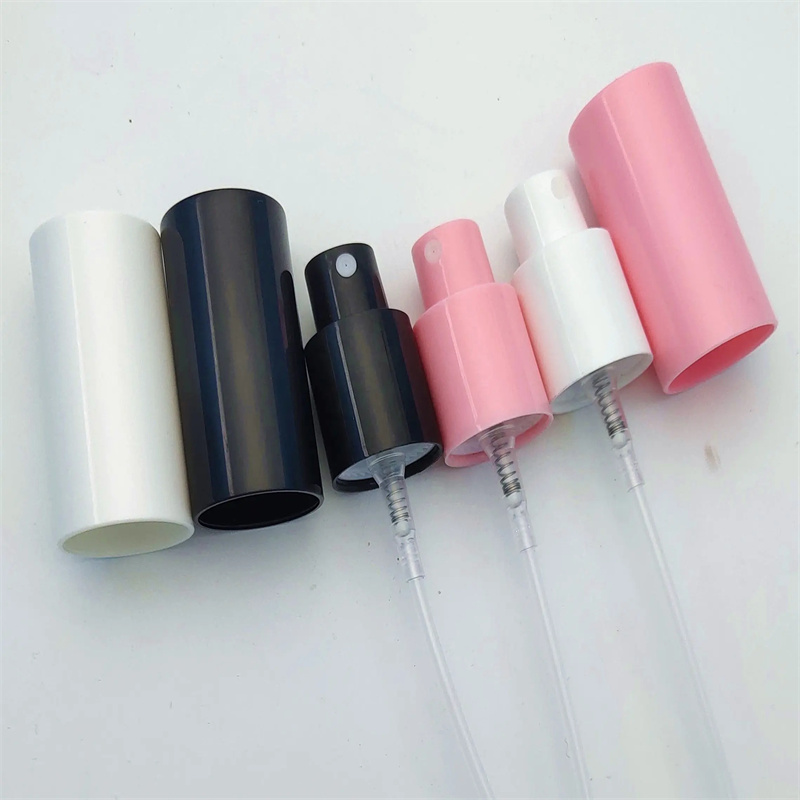 Vlastná 13/410 kovová hliníková plniteľná hmla na parfumy Cosmetic Bottle Man Zhangjiagang Haojie Packaging Technology Co., Ltd je Čína OEM/ODM 13/410 kovová hliníková plniteľná kozmetická fľaša s rozprašovačom na hmlu ... Zobraziť produkt →
 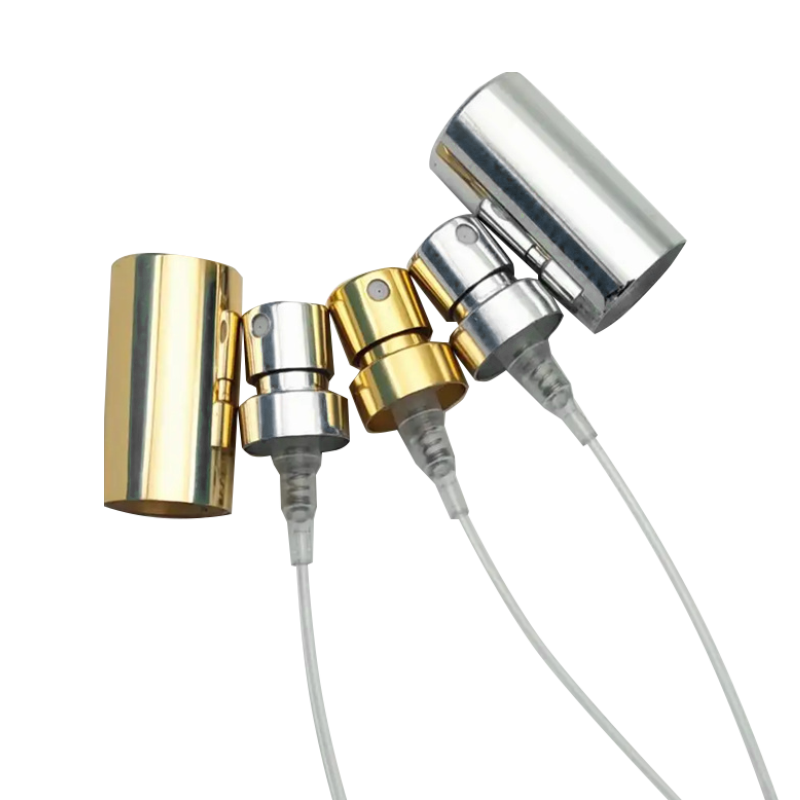 Vlastný 15mm rozprašovač na parfumy s krimpovacím čerpadlom s hliníkovým uzáverom Výrobca, spoločnosť - Zhangjiagang Haojie Packaging Technology Co., Ltd je Čína OEM/ODM 15mm rozprašovač na parfumy s krimpovacím čerpadlom s hliníkovým uzáverom a 15mm... Zobraziť produkt →
 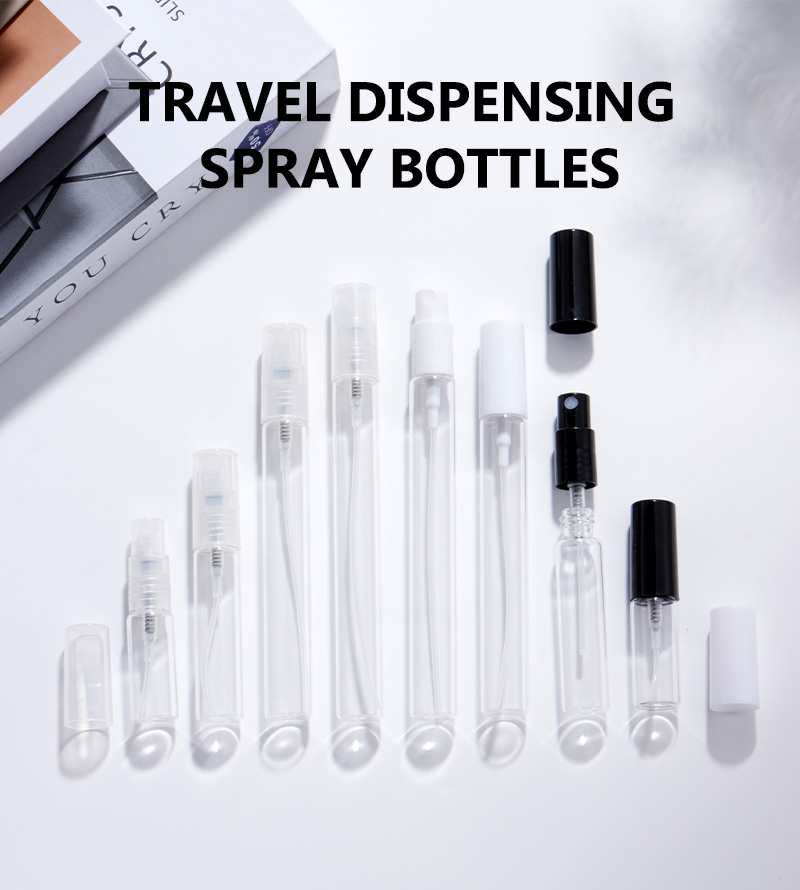 Vlastná 3ml 5ml 10ml 12ml sklenená fľaštička s rozprašovačom naplnenia, výrobca, Com Zhangjiagang Haojie Packaging Technology Co., Ltd je Čína OEM/ODM 3ml 5ml 10ml 12ml sklenená fľaša s rozprašovačom naplniteľná výrobcom a... Zobraziť produkt →
 Akonáhle je čerpadlo prispôsobené fľaši, zostávajúcou premennou je ladenie samotnej hmly. Mechanizmus toho, ako rozprašovač s krimpovacím čerpadlom dosahuje rovnomernú hmlu, stojí za pochopenie predtým, ako sa pustíte do veľkej šarže, a vedieť, aký efekt rozprašovania hliníkový rozprašovač vytvára, vám pomôže nastaviť očakávania pre vašu zmes. Ak chcete hlbší mechanizmus, spôsob, akým hlava kozmetickej pumpy vytvára tlak, vysvetľuje, prečo sa niektoré trysky zahmlievajú a iné kvapkajú.
Sedem bežných chýb a ako ich opraviť
Väčšina neúspešných konverzií parfumov nie je spôsobená olejom. Riadia sa vzorom – nesprávny východiskový materiál, nesprávna nádoba alebo nesprávne spárovanie pumpy a fľaše. Nasledujúca tabuľka obsahuje zlyhania, ktoré spôsobujú takmer všetky z nich.
| Omyl | Čo sa stane | Ako sa tomu vyhnúť |
|---|---|---|
| Použitie roll-on s nosným olejom, ako keby to bol koncentrát | Zakalená kvapalina a upchatá tryska na jemnú hmlu | Prečítajte si štítok; filter; prepnite na pumpičku na mlieko alebo rozprašovač so širokým otvorom |
| Nezodpovedajúce hrdlo fľaše a pumpa | Netesnosť, alebo čerpadlo, ktoré vôbec nebude sedieť | Zmerajte priemer krku; objednajte si pumpičku a fľašu ako zladený pár |
| Obsah tlačného oleja nad 30% | Zákal, kryštály, zlé rozpúšťanie | Udržujte strop EDP na úrovni približne 25 % |
| Preskočenie kroku starnutia | Drsná, nesúrodá vôňa, ktorá bojuje sama so sebou | Vek minimálne 14 dní, ideálne 21–28 dní |
| Miešanie v plaste alebo s vodou z vodovodu | Nepríjemný zápach a rast baktérií | Používajte iba sklo a destilovanú vodu |
| Posúdenie vône v prvý deň | falošne negatívny; zmes sa stále mení | Otestujte po odležaní, potom znova 3 dni po fľaškovaní |
Skladovanie, trvanlivosť a hygiena dopĺňania
Parfumový sprej s vysokým obsahom alkoholu je prirodzene stabilný. Neotvorená, dobre uzavretá fľaša si zachová svoj charakter tri až päť rokov pri skladovaní v jantárovom skle pri izbovej teplote. Po otvorení očakávajte 12 až 24 mesiacov spoľahlivého výkonu za predpokladu, že sa uzáver po každom použití uzavrie a fľaša zostane mimo priameho slnečného žiarenia. Alkohol nad zhruba 70 % pôsobí ako konzervačná látka; v momente, keď pridáte vodu, ochrana klesne, a preto by podiel vody mal zostať pod 10 %.
- Fľašu uchovávajte pri teplote 15°C až 25°C. Kúpeľne sú zlým domovom, pretože vlhkosť urýchľuje odparovanie a môže spôsobiť napučiavanie tesnenia čerpadla.
- Fľaše skladujte vo zvislej polohe. Položením parfumového spreja na bok môže kvapalina sedieť na tesnení a pomaly unikať.
- Vyčistite naplniteľné atomizéry medzi jednotlivými plneniami: pred plnením vypláchnite nádržku alkoholom, utrite ponornú hadičku a úplne vysušte na vzduchu.
- Poloprázdnu fľašu nedopĺňajte. Kyslík a čerstvý alkoholový gradient narúšajú zmes; namiesto vrstvenia nalejte zvyšok do novej dávky.
- Označte každú fľašu dátumom miešania a pomerom oleja k alkoholu. Keď vzorec funguje, budete ho chcieť presne reprodukovať.
Ak si všimnete, že sa farba mení na matnú jantárovú alebo horné tóny kyslé, parfum zoxidoval. To zvyčajne znamená, že fľaša bola dlhší čas vystavená teplu alebo svetlu. Sprej je stále použiteľný ako osviežovač miestnosti, ale už nebude predstavovať olej, s ktorým ste začínali.
Často kladené otázky
1. Môžem použiť vodku namiesto parfumérskeho alkoholu?
Áno, ak je vodka aspoň 190 proof, čo znamená 95% objemu alkoholu. Štandardná vodka 80-proof obsahuje asi 60% vody, takže nedokáže úplne rozpustiť 20% parfumový olej a zmes sa zakalí. Ak nie je k dispozícii 190-proof obilný alkohol, použite najsilnejší neutrálny lieh, aký nájdete, a znížte olej na 10 %, aby ste zachovali rozpustnosť.
2. Koľko parfumového oleja pridám do 100 ml fľaštičky s rozprašovačom?
Pre Eau de Parfum 20% použite 20 ml oleja a 80 ml alkoholu. Pre toaletnú vodu 12% použite 12 ml oleja a 88 ml alkoholu. Váženie oleja na jemnej stupnici je opakovateľnejšie ako použitie pipety, pretože väčšina olejov má hustotu medzi 0,9 a 1,0 g/ml.
3. Prečo sa môj sprej zakalil?
Obvyklými príčinami sú nosný olej vo východiskovom materiáli, voda nad 10 % šarže alebo parfumový olej nad 30 % z celkového množstva. Kvapalinu najskôr prefiltrujte cez papier. Ak opar pretrváva, prejdite na hrubšiu trysku alebo pumpičku na pleťové mlieko, ktoré znáša kvapôčky oleja oveľa lepšie ako vložka s jemnou hmlou.
4. Môžem do spreja pridať vodu?
Áno, 2–5 % destilovanej vody zmäkčuje alkoholový tlak a robí hmlu na pokožke okrúhlejšou. Udržujte súčet pod 10 %, pretože vyšší obsah vody znižuje rozpustnosť oleja a skracuje trvanlivosť. Voda z vodovodu nie je nikdy dobrý nápad; jeho minerály môžu zakaliť parfum a podporovať rast mikróbov.
5. Vydrží verzia v spreji tak dlho ako pôvodný olej?
Bude sa správať inak. 20% EDP sa nosí ako bežný komerčný parfém: prvých pár hodín jasná projekcia, potom bližšia vôňa pokožky. Neriedený olej vydrží dlhšie na jednom mieste pokožky jednoducho preto, že ste naniesli viac vonnej hmoty na menšiu plochu. Sprej vymení trochu surovej dlhovekosti za dosah a pohodlie.
6. Akú pumpičku potrebujem na 10 ml naplniteľný flakón parfému?
Pre 10 ml sklenené fľaše je praktickým štandardom skrutková pumpa 12-410 alebo 13-410 so zdvihom 0,10 ml. Ponorná trubica by mala byť asi o 2 mm kratšia ako výška fľaše. Rúrka, ktorá sa dotýka dna, nasaje vzduch a preskočí posledných pár sprejov.
7. Ako dlho musím zmes nechať vyzrieť?
Dva týždne sú minimum; štyri týždne sú výrazne lepšie. Komerční parfuméri často macerujú štyri až šesť týždňov pred plnením do fliaš. Počas starnutia fľaštičku každé dva až tri dni jemne pretrepte, udržujte ju uzavretú a skladujte pri izbovej teplote mimo dosahu svetla. Zmes sa vo fľaši bude zlepšovať niekoľko mesiacov, a preto sa malé dávky ľahšie spravujú a ľahšie sa opakujú.

- E-mail:
- Telefón: +86-15962399191
- Adresa: Č.
